The functions of the locking pin
Today, we will introduce the usage and advantages of the Locking Pin. The Locking Pin has the advantages of locking, positioning, and easy disassembly. It is usually used in conjunction with various welding fixtures and workpieces.
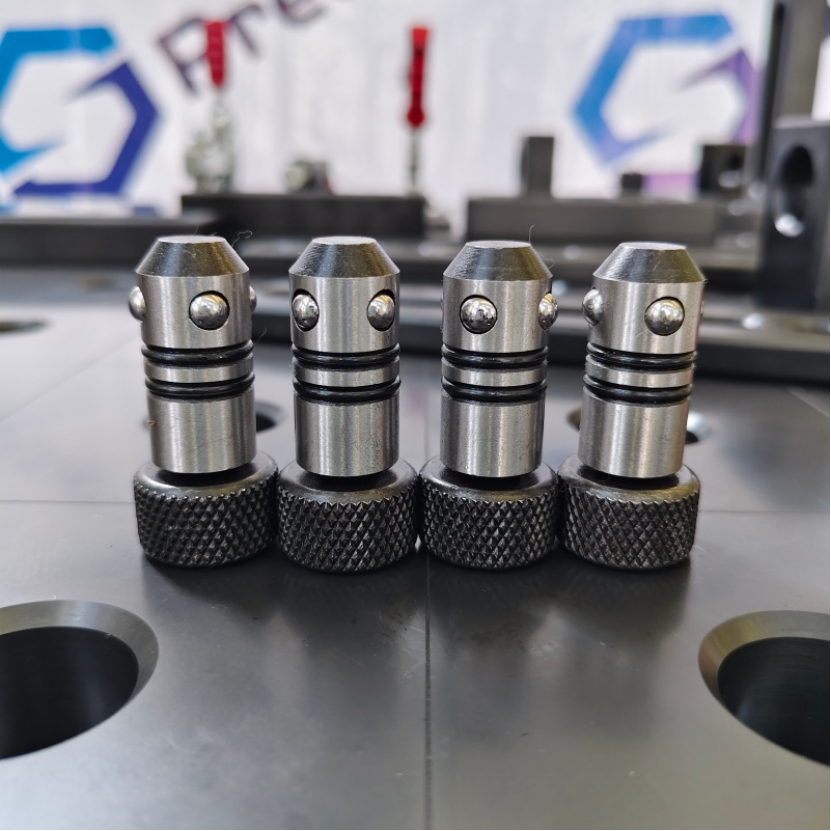
Locking Pin is classified into Rapid Locking Pin, Countersunk Lock Pin, Handle Lock Pin, Inner Hexagon Joint Locking Pin and Magnetic Pin.
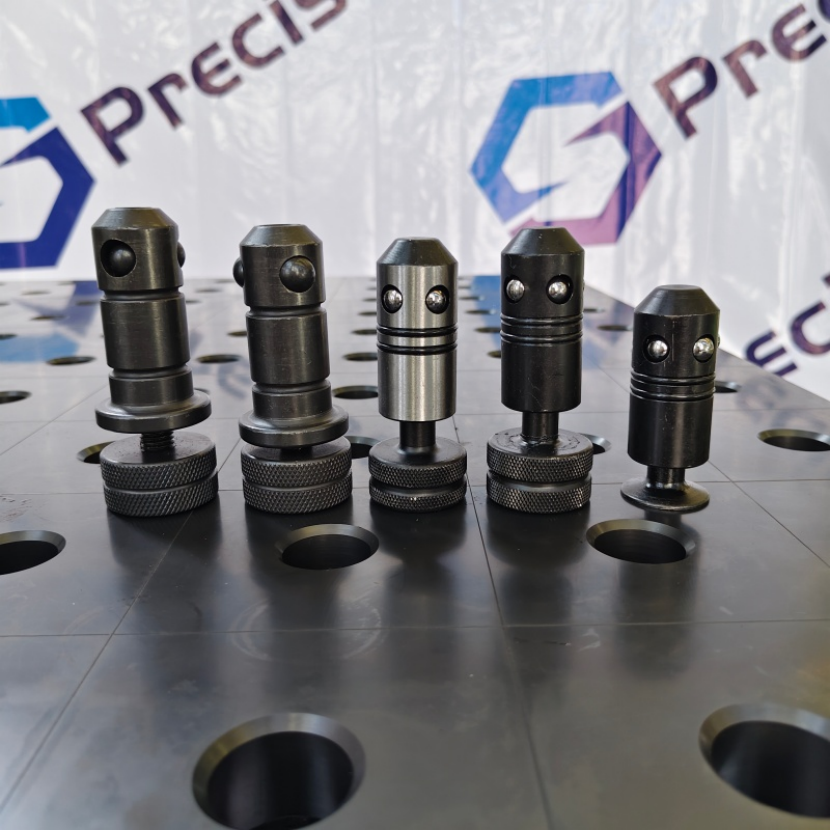
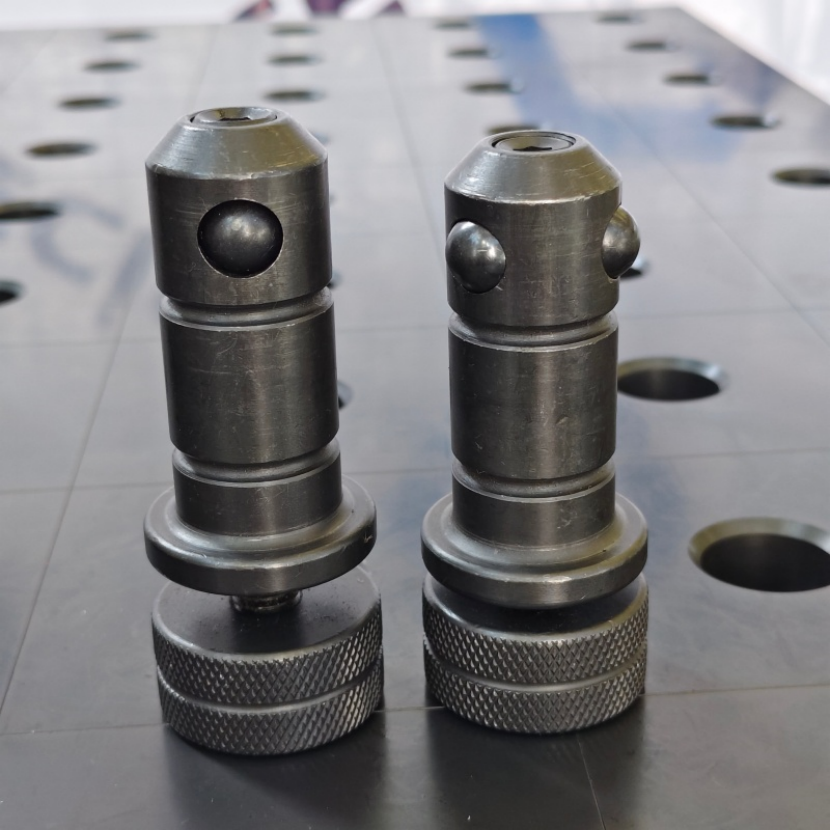
Rapid Locking Pin is equipped with five concentric steel balls or rollers inside. During use, the steel balls will automatically retract into the locking body. At this point, the locking pin can be inserted or withdrawn from the circular hole of the workpiece to be locked. Once it enters the hole, the steel balls gradually protrude, and the locking pin automatically centers and tightens. As the name suggests, Countersunk lock pin has no protruding part when in use, and its top is flush with the workpiece. Inner hexagon joint locking pin is usually used to connect two welding tables to form a larger table. The difference between Magnetic pin and Locking Pin is that it is magnetic. It can fix the workpiece by magnetic force and play a positioning role. It can remain stable in a vibrating environment and will not fall off easily, ensuring the safety and stability of the processing process.
The above is the usage method and advantages of the Locking Pin.